Water Control Built for Variable Terrain
Drainage installation in Bronson for rural properties with seasonal runoff and erosion concerns
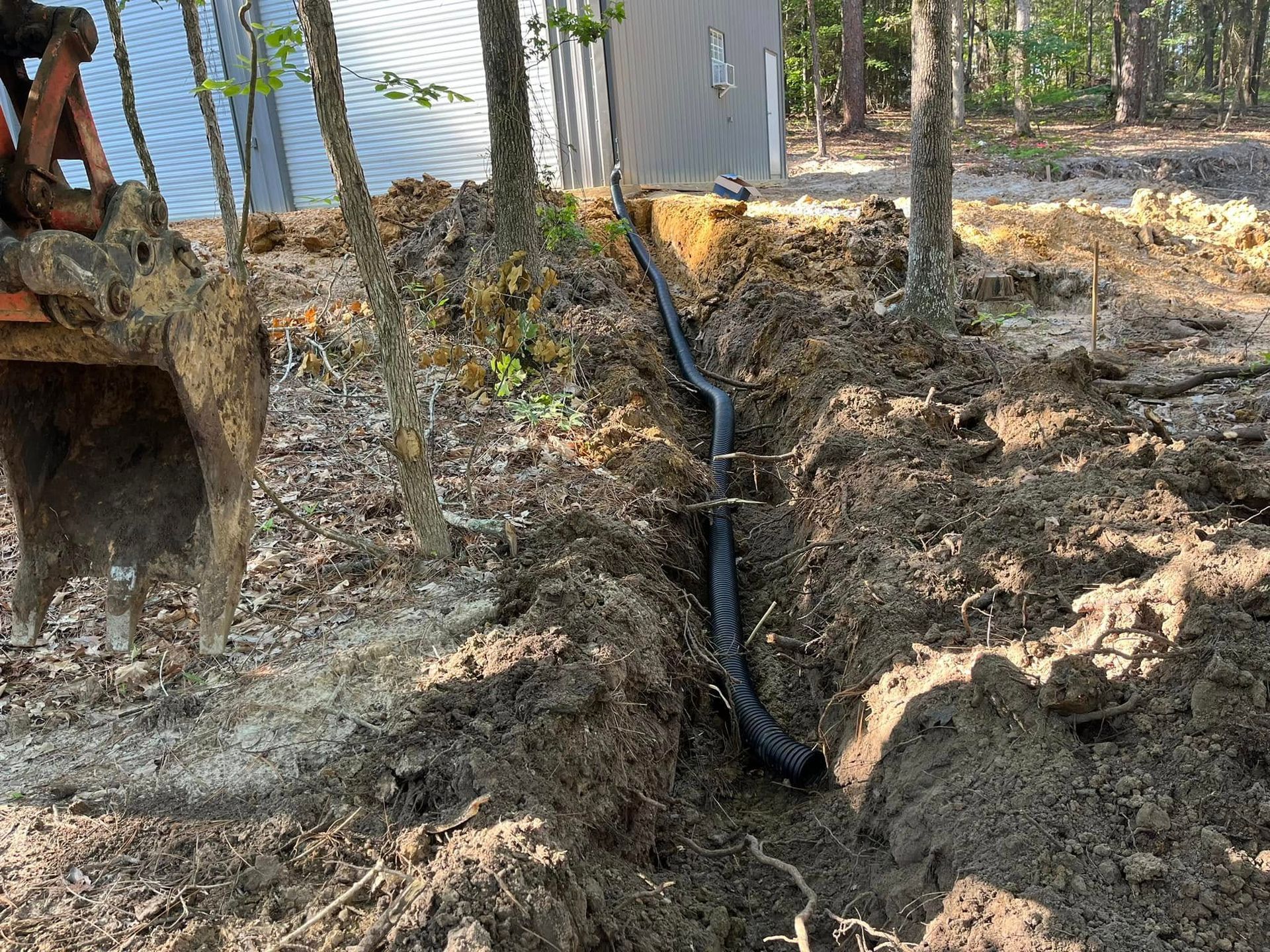
Marks Construction handles site drainage installation across Bronson and surrounding areas using excavator-based grading that integrates culvert placement, pond construction, and drainage paths in a single equipment pass. You get drainage systems designed for rural Texas conditions—seasonal runoff that changes with the weather, variable topography that channels water unpredictably, and land access requirements that depend on functional culverts and graded pathways. The work addresses erosion control, standing water issues, and property access challenges common to ranch land and rural developments in this region.
The service combines culvert installation with drainage grading, pond construction, and driveway layout to avoid re-mobilization and wasted fuel. When drainage paths are graded during the same excavator pass as pad prep or access roads, the entire site is shaped to move water where it needs to go without requiring separate trips or equipment changes. For properties in areas with fluctuating seasonal water flow, this integrated approach means drainage design adapts to existing land features and construction timelines rather than forcing multiple contractor schedules.
Request an on-site evaluation to review current water flow patterns and drainage requirements for your property.
What Site Drainage Actually Accomplishes
Drainage installation at Marks Construction means excavator work that places culverts, grades drainage paths, and builds pond systems as part of the same site visit. Culverts are positioned to handle access road crossings and seasonal flow volumes, graded paths direct runoff away from building pads and driveways, and ponds are excavated to capture and manage water on larger parcels. The excavator shapes the land to follow natural drainage patterns while correcting problem areas where water pools or erodes soil.
Once drainage grading is complete, you notice water moving off driveways and pads during rain events instead of pooling in low spots, culverts allowing access across drainage channels without flooding or washout, and erosion stopping along pathways where soil used to wash away. Ponds fill predictably during wet seasons and provide controlled water storage rather than unmanaged runoff spreading across the property. The ground stays stable along access routes, and building sites remain dry even during heavy rainfall periods common to this part of Texas.
The drainage work is planned around your pad prep, driveway installation, and dirt hauling needs so the excavator handles all earth-moving tasks in one mobilization. This reduces fuel costs and project timelines compared to scheduling separate drainage contractors after other site work is finished. If your property requires retaining walls or additional grading to manage elevation changes, those elements integrate into the same drainage plan.
Questions Before Starting Drainage Work
Rural property owners in Bronson and nearby areas often ask about drainage design, culvert sizing, and how seasonal runoff affects installation timing.
What determines culvert size and placement for rural properties?
Culvert diameter and location depend on the volume of seasonal runoff, the width of the drainage channel, and access road requirements—installations in Bronson typically account for flash runoff during spring storms and extended dry periods when flow stops completely.
How does drainage grading prevent erosion on sloped land?
Excavator grading creates pathways that direct water at controlled angles, reducing flow speed and spreading runoff across stable areas rather than concentrating it in channels where soil washes away.
When should pond construction be included in drainage planning?
Ponds make sense for larger parcels where capturing runoff provides water storage for livestock, irrigation, or fire suppression, and when natural low spots can be excavated without requiring extensive reshaping of surrounding terrain.
What site conditions affect drainage installation timing?
Extremely wet ground can limit excavator access and grading precision, so installations are often scheduled after prolonged dry spells when soil is workable but drainage patterns are still visible from recent rain events.
How is drainage integrated with driveway and pad preparation?
The excavator grades drainage paths first to establish water flow direction, then builds pads and driveways at elevations that stay above runoff channels, ensuring all earth-moving work follows a logical sequence without backtracking.
Marks Construction provides free estimates for drainage projects across the Beaumont to Tyler corridor, with on-site evaluation included to assess topography and water management needs. Schedule a consultation to review your property's drainage challenges and discuss equipment-efficient solutions.